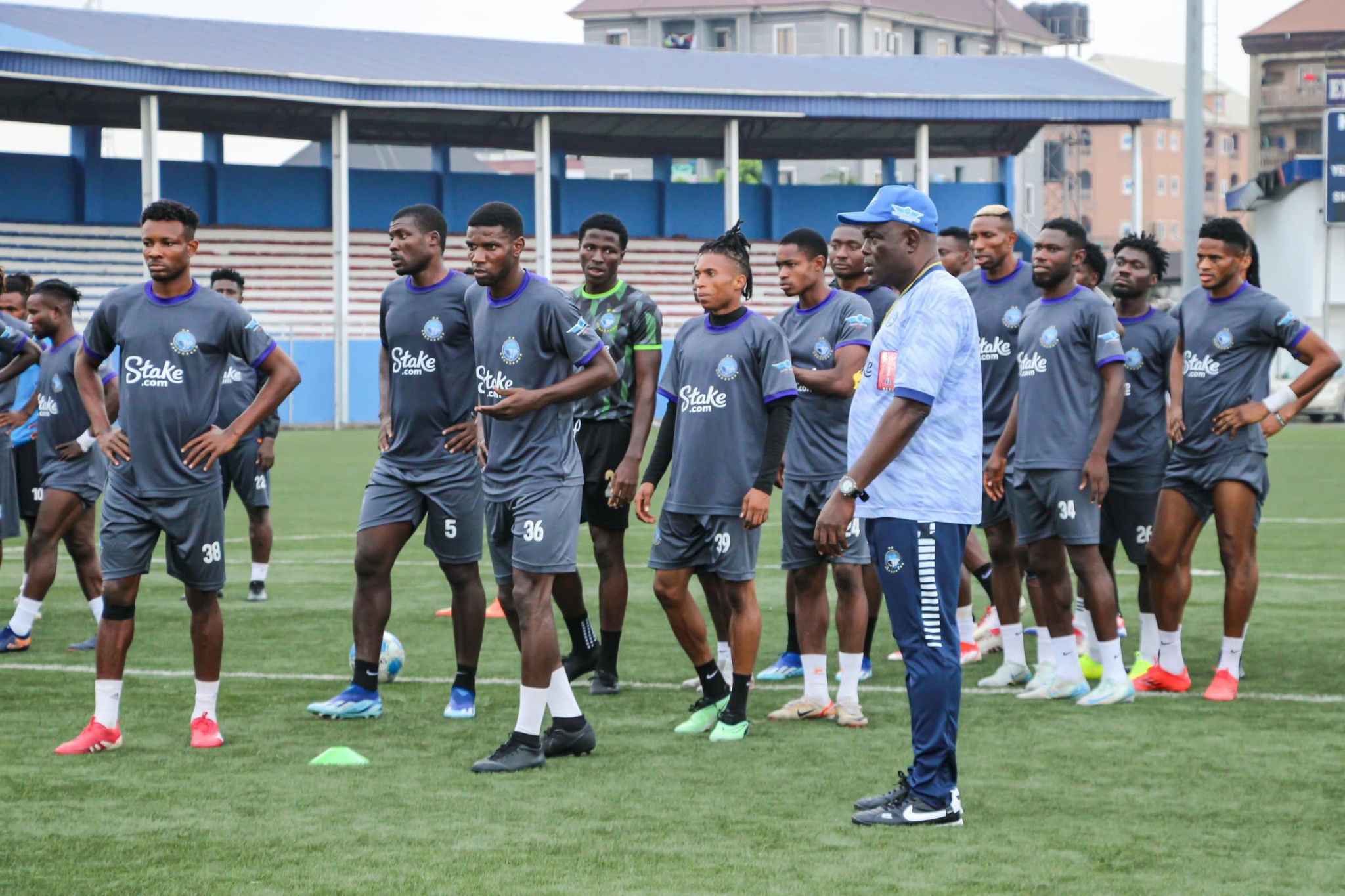
When you hear the word rebuild, the first thing that probably comes to mind is the end of one era and the beginning of another.
Enyimba has gone through some turbulent times on and off the pitch over the last couple of seasons, and it is no coincidence that the decisions made in the boardroom eventually find their way onto the football field. Recruitment is where every rebuild begins. Get it right and the team competes. Get it wrong and no amount of coaching can save the season.
Which brings me to what I call Enyimba’s Mob Football Recruitment.
Mob Football Recruitment: The “Anything Goes” Transfer Strategy
Mob football was played in medieval England. As the name suggests, it was chaotic, involving an unlimited number of players with very few rules. Almost anything was allowed, except murdering your opponent. Looking at Enyimba’s recruitment over the last few seasons, it sometimes feels like the club borrowed a page from that ancient game. There has been no obvious pattern, no clear philosophy and very little evidence of long-term planning.
Two seasons ago, Enyimba turned to open trials in search of “professional” players. On paper, there is nothing wrong with that approach. After all, diamonds can be found in the rough. The real question is: how many diamonds did we actually find?
Even when raw talent is discovered, the club still has to invest time and resources to prepare those players for top-flight football. Player development is important, but rebuilding a club the size of Enyimba cannot depend almost entirely on hopeful experiments. Investing scarce resources in players who contribute little before leaving after one season is simply poor planning.
Before the start of last season, Enyimba released twenty-two players. Some applauded it as a necessary overhaul. I saw something else. I saw years of poor recruitment finally catching up with the club.
Sometimes it feels as though Enyimba has no clearly defined recruitment policy. Even when experienced players are signed, the club often turns to veterans whose best years are behind them instead of targeting players who are still capable of improving the team.
The cycle has become painfully familiar. Players arrive. Many fail to make the expected impact. They leave at the end of the season, and the process begins all over again. Welfare issues only make matters worse. When salaries and match bonuses are not paid as agreed, the club loses one of its biggest advantages in attracting and retaining quality players. Some players would rather walk away than continue fighting battles off the pitch.
The Importance of Welfare in Recruitment
There was a time Enyimba never needed open trials to attract quality footballers. During the era of Vincent Enyeama, Obinna Nwaneri and many other legends, players wanted to come to Aba because Enyimba represented success. Winning trophies, playing on the continent and receiving proper welfare made the club one of the biggest attractions in Nigerian football.
Those CAF Champions League-winning squads were not assembled by chance. They were made up of some of the finest players in the country, carefully recruited and properly rewarded. The club invested in quality, and quality repaid that investment with trophies.
Today, footballers do their homework before signing contracts. They speak with former teammates, agents and friends already inside clubs. They ask about salaries, bonuses, accommodation and the general working environment. If Enyimba truly wants to become a destination club again, improving player welfare must become part of the recruitment strategy, not an afterthought.
What Next After Anakwe?
Although Enyimba is yet to officially unveil Samuel Anakwe, reports from multiple sources indicate that his move to Aba is all but complete. Another player whose name has been linked with the club is former Kun Khalifat and Heartland midfielder Promise Anyanwu, who is also believed to be training with the team. If both eventually become Enyimba players, they would represent encouraging additions—but they should only be the beginning.
Recruitment cannot revolve around open trials or constantly looking to the lower divisions for players who may struggle with the demands of top-flight football. Enyimba must become deliberate again. The club should identify proven performers from the best teams in the NPFL—players who bring quality, experience and, perhaps most importantly, a winning mentality.
The defence and midfield clearly require strengthening after last season’s struggles. But rebuilding should not stop with the playing squad. Scouts, performance analysts, recruitment personnel and coaches all have a role to play in restoring Enyimba’s standards. Successful football clubs recruit quality people at every level, not just on the pitch.
I believe Enyimba can change its fortunes this coming season.
But before the results change, the recruitment strategy must change.
EnyimbaEnyi