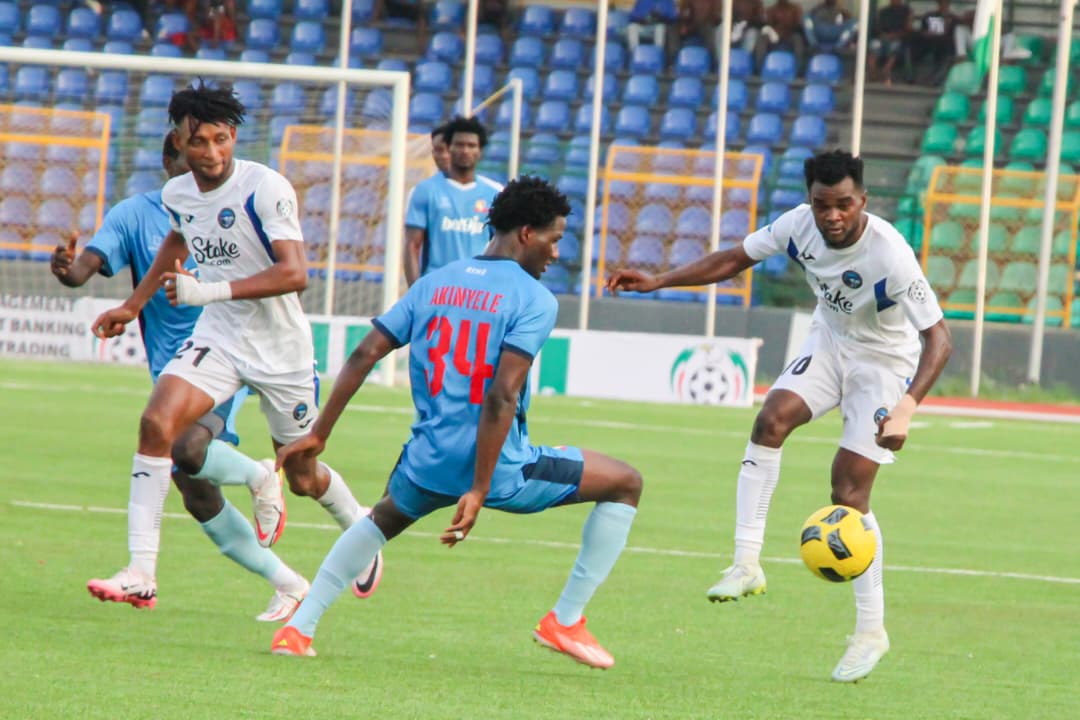
Whichever time zone you find yourself in, I am sure most of us want the same thing: to see the People’s Elephant march back towards the top where it belongs. For that reason alone, anyone who has remained loyal through the recent struggles deserves some commendation.
The new NPFL season is almost here, and naturally our attention is beginning to shift towards that opening fixture against Niger Tornadoes. But there is something much bigger than formations, transfers or the three points available in Minna that Nigerian football must address. In fact, this is not merely an Enyimba problem. It is something the Nigeria Premier Football League, the Nigeria Football Federation, the clubs, supporters and everyone genuinely interested in the future of Nigerian football should be demanding: properly equipped medical personnel and functional emergency-response systems at football events.
I know what you are thinking. We have talked about this before. I probably sound like a broken record. Good. Perhaps Nigerian football needs more broken records.
A few days ago, Nigerian football was confronted with another tragedy when Awang Solomon Maram, one of the young referees participating in the Nigeria Referees Association’s fitness assessment ahead of the 2026/27 season, reportedly collapsed during the exercise at the MKO Abiola National Stadium in Abuja and later died.
This was not some informal kick-about organised behind somebody’s house. It was an official football activity involving physical testing, which should again remind everyone that emergency preparedness cannot begin and end with league matches. Wherever footballers, referees or other participants are being subjected to strenuous physical activity, there should be a clearly established medical response plan capable of dealing with an emergency within seconds.
The wider concern is that tragedies around Nigerian football can gradually create an impression that participation itself comes with unnecessary risks. Players notice these things. Referees notice them. Families notice them, and potential commercial partners notice them too. Nobody wants to invest emotionally or financially in a product where avoidable questions about basic safety continually arise.
In the article Before the Season Starts, Get the Basics Right, we made essentially the same argument about the death of Katsina United defender Chinedu Ozor. So yes, this may sound repetitive. But I would rather repeat a demand for proper medical preparedness than keep quiet simply because the subject has already been discussed once.
Last week, the conversation centred on a player. This week, it is a referee. That alone should demonstrate why emergency preparedness cannot be designed exclusively around the 22 footballers on the pitch. Coaches, match officials, club staff and thousands of supporters gather at football grounds, and medical emergencies do not check job descriptions before occurring.
Even people sitting comfortably in the stands or technical areas can suddenly require urgent medical attention. Football naturally produces intense emotion, physical exertion and stressful moments. Nobody should assume that because someone is not sprinting around the pitch, an emergency cannot happen to them.
That is why stadium medical planning must go beyond having someone available to treat a twisted ankle or a muscle injury. Every NPFL venue should have properly trained emergency medical personnel, functional ambulances, automated external defibrillators, adequate first-aid equipment and a clear emergency action plan that everyone responsible for matchday operations understands.
And this is where Enyimba can choose to lead rather than wait for everybody else.
The People’s Elephant has always presented itself as one of the standard-bearers of Nigerian club football. If that reputation is going to mean anything beyond trophies won years ago, then leadership should also be demonstrated in how the club protects the people who enter the Enyimba International Stadium.
On matchdays, supporters should know that there is a competent emergency-response team available, with the equipment and training required to respond to serious incidents. The same standard should apply to players, officials, visiting teams and everyone working inside the ground.
Doing this should not even be treated merely as compliance. It is good football administration and good branding. A club that can demonstrate that it takes safety, player welfare and supporter welfare seriously is presenting itself as a professional organisation worthy of trust.
Enyimba cannot fix Nigerian football alone, but somebody has to establish standards others can be challenged to follow.
Unfortunately, we have become accustomed to so many things going wrong in Nigerian football that dysfunction sometimes feels normal. Poor pitches become normal. Unpaid salaries become normal. Crowd trouble becomes normal. Inadequate facilities become normal. We cannot allow preventable questions surrounding medical emergencies to become another item on that list.
That is why I am perfectly comfortable sounding like a broken record.
I will keep asking about ambulances. I will keep asking about defibrillators. I will keep asking about trained emergency personnel and proper response procedures. And I hope supporters of other clubs begin asking the same questions until these demands become so repetitive that football administrators can no longer pretend not to hear them.
Perhaps that is the kind of broken record Nigerian football needs: thousands of people repeating the same basic demands until those responsible finally dance to the tune.
Because Nigerian football must develop, but development is not only about broadcasting deals, transfer fees, shiny stadium projects or continental results. Sometimes development is much simpler. It is making sure that when somebody desperately needs help at a football ground, the people and equipment capable of providing that help are already there.