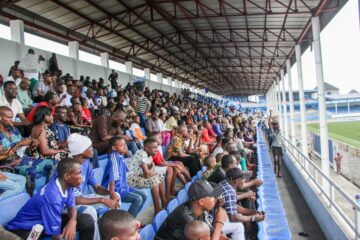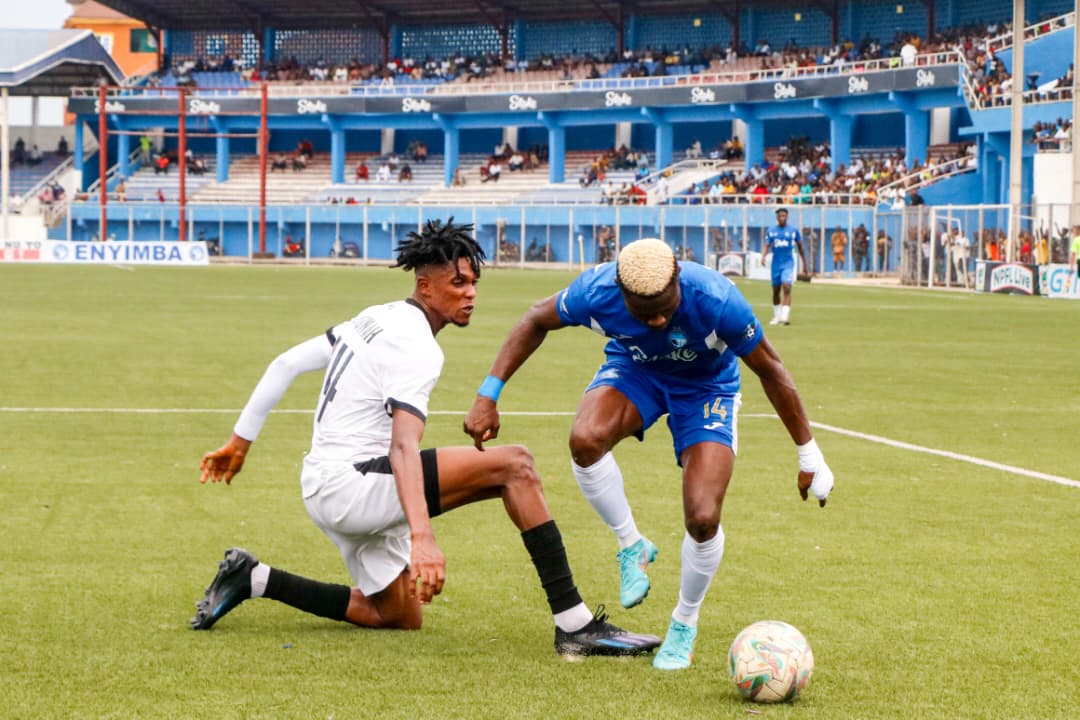
I have been a fan of Enyimba since the early 2000s, but it was around 2015 that my involvement became much deeper. Since then, I have watched closely, followed the league with real attention, and tried to understand the many moving parts of the Nigeria Premier Football League. In that time, there have been highs, lows, and everything in between. But one thing has stood out more than anything else: this is a league where nothing ever seems to settle. Everything keeps shifting.
It is not just the name of the league or the body organizing it. Even rules that should be fixed and clearly understood often seem open to interpretation. Look at some of the stadiums used in the league and you begin to wonder how certain venues were approved in the first place while others were not. What makes it even more confusing is that the league body claims to inspect these grounds before the season begins, yet during the season some are suddenly deemed unfit while others in similar condition continue without issue.
If it were only about names, structures, or stadium approvals, perhaps it would still be manageable. But the bigger problem is in the way decisions are made, especially when it comes to discipline.
Earlier in the season, Kwara United and Kano Pillars were punished with three points deductions and three-goal penalties, alongside orders to play away from home, after attacks on match officials. Later, the Nigeria Football Federation reduced only the stadium ban, but the original message was still strong enough: certain actions would carry serious consequences.
That is why what we have seen towards the end of the season is so troubling.
Similar incidents happened again in Kano and Ozoro, yet this time the response was different. Instead of the heavier sanctions we saw earlier, the punishments came in the form of fines and partial stadium closures. That is where the real problem lies. The standard is no longer clear. And once the standard becomes unclear, confidence in the system begins to break.
When the Kano incident was handled that way, it set a poor example. It suggested that the rules could bend depending on timing, pressure, or convenience. From that moment, it was only a matter of time before something similar happened again. And it did.
Some may argue that the league body is trying not to distort the outcome of the season. But rules are not meant to be adjusted according to convenience. They are meant to guide everyone equally. If offences are not punished properly, other clubs will naturally begin to feel they can get away with the same behaviour.
That is how disorder grows.
This kind of inconsistency invites violence back into the stadiums. It creates a sense of injustice among clubs. It leaves referees feeling exposed and unprotected. And in the end, it damages the image of the league itself.
We have seen clubs punished heavily for lesser offences, while others commit more serious acts and receive almost the same treatment or even less. That should never happen in a serious competition.
Of course every team wants to survive. That is normal. Every club will fight for its own interest. But if we truly want this league to grow, then the rules must be clear and, more importantly, they must be applied the same way to everyone. Discipline must be firm. Discipline must be fair. And above all, discipline must be consistent.
Without that, people will stop taking the league seriously. Supporters will lose faith. Clubs will lose trust. Even commercial partners and sponsors, the very people needed to help push the league forward, will keep their distance from something that looks unstable.
And if that continues, we may end up with a league that exists only in name, without the credibility and value that a proper competition should carry.
The time to act is now.
Enyimba Enyi